

Cold Outside, Fresh Inside: Starting Your Indoor Herb Garden from Seeds
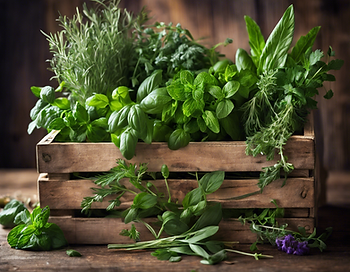
Starting seeds inside brings a little life into the house as the chill of fall sets in. I don’t mind winter, but I do miss the freshness of the summer garden. In the dead of January, one of the things I miss most about summer is cooking with herbs picked fresh from the garden. For some herbs, no matter how high-quality they are, dried versions just can’t compare to the fresh taste. For me, a few of these must-have fresh herbs are parsley, basil, chives, and rosemary.
You can often find herb plants in stores, but they’re harder to come by in the winter, and cut herbs in the produce section are often floppy and on the verge of going bad. So, why not start some seeds indoors?
What Seeds Need to Germinate
To successfully germinate seeds indoors, you’ll need a few essentials: light, water, warmth, and oxygen. Some seeds, like garlic, need a cold period—called vernalization—to germinate. Others, like walnut seeds, need to be scarified or slightly scratched to allow water in ( in walnut's case, the squirrels to this!). For this indoor herb garden, though, we’ll stick to herbs that are easy to germinate without those extra steps.
Getting Started with Seed Germination **DON'T MISS THIS TIP**
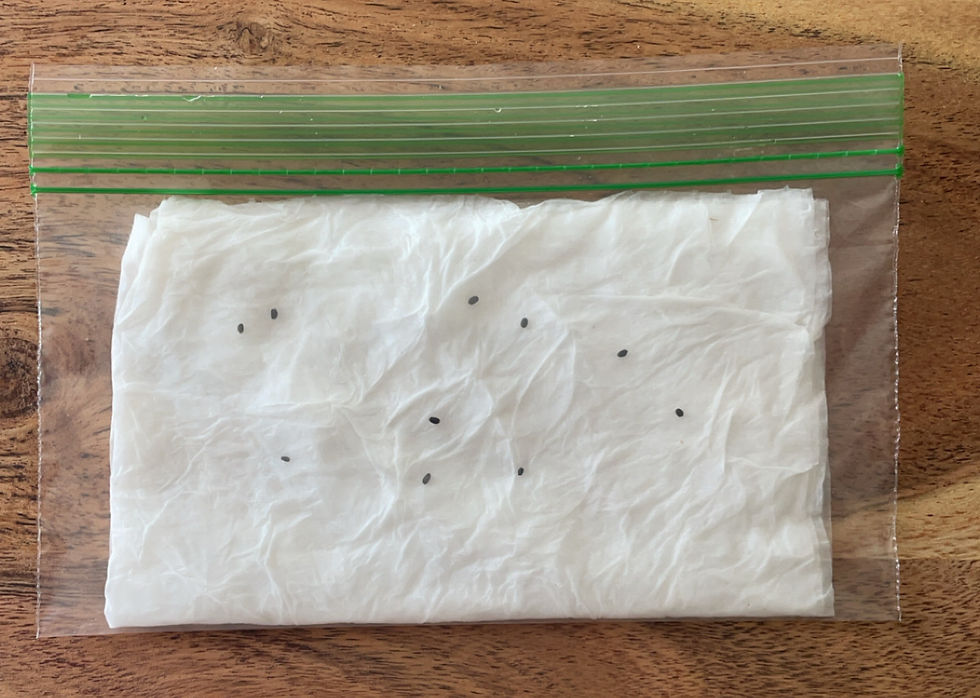
One simple way to germinate seeds quickly is by using the paper towel method. To do this, dampen a paper towel, place the seeds on it, and tuck it into a Ziploc bag. Then, place the bag near a windowsill or another warm area. This method keeps seeds consistently moist, which is essential for successful germination.
Within a few days to a week, you’ll start to see tiny roots emerging. At this point, the seeds are ready to be moved into soil.
Transplanting to Soil
Once your seeds have sprouted, plant them in small pots with high-quality potting soil. Herbs love a sunny spot, so find a windowsill with at least 4-6 hours of light per day. If natural light is limited, a grow light can provide the extra boost they need. Water the plants sparingly—only when the top inch of soil feels dry—to avoid overwatering, which can lead to root rot.
Enjoying Your Indoor Herb Garden
With a little care, your herbs will grow steadily and be ready for light harvesting in a few weeks. Snip the leaves you need for your meals, and the plants will continue to produce. Before you know it, you’ll have a thriving indoor herb garden that brings a bit of summer’s freshness into even the coldest winter months.


Comments